Imagine waking up in the morning and not picking up your phone immediately. Imagine sitting down for lunch without having your fork in one hand and your phone in the other as you scroll through Instagram. Imagine not over editing a picture and texting your friends to ask them if you should post it online. Imagine living your life without technology taking control.
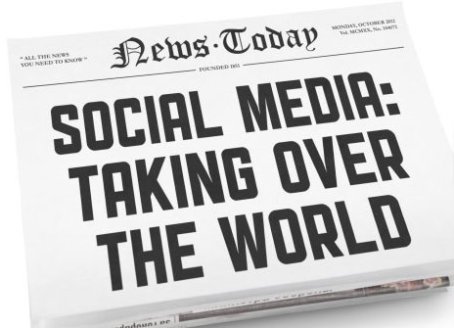
Imagine if there was no cyberbullying. Imagine you never had a mean comment posted on your photo, tweet, status. Imagine society wasn’t obsessed with putting others down to life themselves up. Imagine never being judged for what you wore to class in elementary school. Now, imagine being judged in class for your outfit and then after school too since the “popular” girls took a picture of you and uploaded it to Facebook. Imagine the bullying following you home from school and being online for everyone to see.
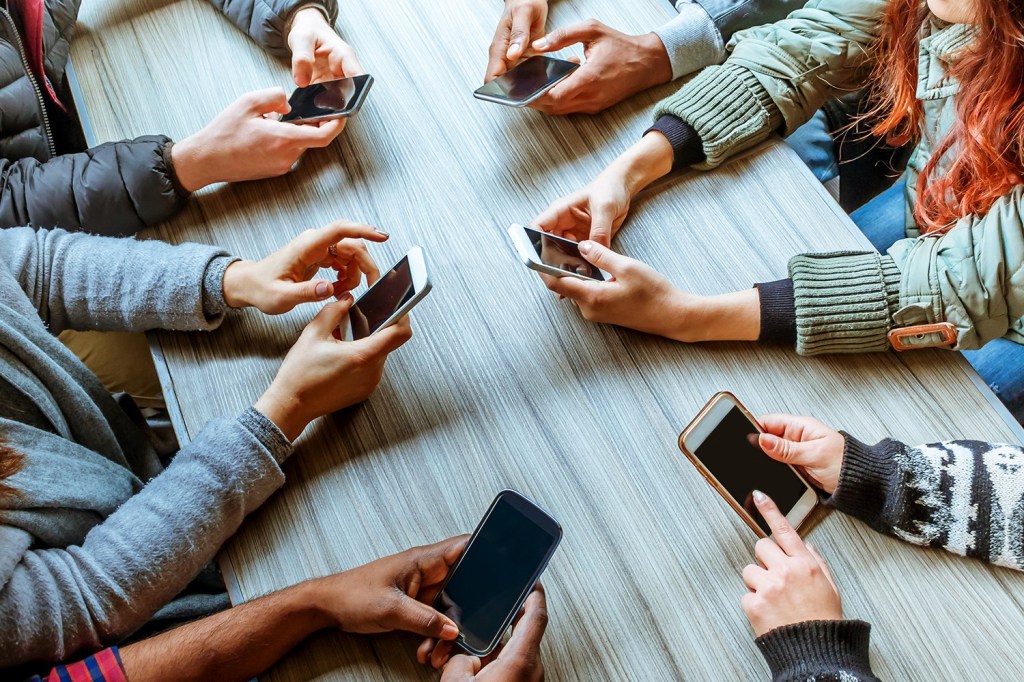
Can you imagine it? Can you picture it? Can you put yourself in that position for a moment?
Oh wait, that is how social media can be – used as a tool for cyberbullying people and distracting you from real life interactions.
Let’s stop and think about the past of social media for a second. How did we get to where we are right now?

I still remember the first phone I ever had. It was a red flip phone and I hid it from my dad because he didn’t want me having a phone in middle school. All I did was call my friends on the phone or send a text. There wasn’t much else you could do on a phone back then and thank God for that. If I had all the apps and social media platforms now back then, I would be very afraid that I wouldn’t be able to successfully communicate in person with someone.

In my first Theory of Social Media, I focused on how it can be very obsessive and anonymous. We grew up in the age where technology still wasn’t a huge part of our lives, now we are living in a world that is dependent on social media and technology in every aspect of our lives. While we are still dependent and can easily hide behind a profile or a post, there are so many other aspects of social media that can negatively affect users. In this blog, my second Theory of Social Media, I want to dive into cyberbullying, trolls, gifs, and tricks to creative positive and negative messages online. There is so much more to using social media than I originally thought. It is linked to everything we do even just communicating with others.
Social media is “the way people use it to circulate information, form social worlds, and maintain social bonds” (Humphreys, 2). The word “it” in that definition refers to social media platforms – the medium – in which people interact online.

Now we get to the question what is and isn’t social media. We understand that social media is a way to communicate, pass information along, and form social groups.

It can also be a way to express who you are as a person to online views. Social media platforms allow you to create a profile that share what you like to do, what you look like, who your favorite people and places are etc. Social media is the acts that occur online, it is not the actual platform like Instagram, Twitter, Facebook, TikTok etc. Social media also isn’t a long term way to live your life 100 percent of the time. It is something you can do during your days, but it can’t make up for in person relationships or communication. While it can certainly feel like it is taking over real life interactions, especially during the COVID-19 pandemic, it shouldn’t be the only way you are meeting people.
In the article, “Dressing for the Surveillance Age” by John Seabrook, he says that “we exist in this world where we are observed by machines. How can you mediate that to appear on way to the machines and another way to people? How can you ride the fine line between appearing avant-garde and appearing invisible?” (Seabrook). This shows us that social media is actually starting to take over and we have to stop this. While there are many benefits to have intense technology opportunities, it can also be very dangerous and consuming. It is common that a person can be completely different people online verses in real life. We need to start realizing there are certain ways to behave correctly online and “it all depends how much of a spectacle of yourself you want to make” (Seabrook).
Some of the issues with social media and social media platforms are cyberbullying, trolls, gifs, and influencers.
The increase of social media usage allows for an instant way to interact with others. While it feels like you are really interacting with someone, you are behind a screen and can feel more inclined to say false information, cyberbully them, and put on a fake persona. Using your voice to share your opinions and feelings is totally acceptable, but when it becomes negative and toxic is when it becomes a problem. We are constantly connected and attached to our phones which can cause the over usage of social media. It is proven that social media can affect many people’s mental health, more specifically depression and anxiety. To solve this problem and decrease the negative effects people are feeling would be to monitor and research how people are using platforms online. We must also educate everyone on how cyberbullying can affect others. It cost no money to be kind, and yet people are still choosing to be thoughtless and rude. Cyberbullying isn’t the only way that a person can feel attacked and less than they are. Gifs can become a problem online as well.
In the article, “We Need to Talk About Digital Blackface in Reaction GIFs” by Lauren Michele Jackson, she states that “GIFs are integral to the social experience of the Internet. Thanks to a range of buttons, apps, and keyboards, saying ‘it me’ without words is easier than ever. But even a casual observer of GIFing would notice that, as with much of online culture, black people appear at the center of it all” (Jackson). Jackson explains that when people are searching for specific GIFs they can use key words like “funny black kid” to find a certain picture. People might not realize how wrong that is in the moment, but it is very racist and common. “For while reaction GIFs can and do every feeling under the sun, white and nonblack users seem to especially prefer GIFs with black people when it comes to emitting their most exaggerated emotions” (Jackson). When I read this article, I didn’t even think about the type of GIFs I used since I don’t use them often, however I went through Twitter and my texts to realize I sometimes use inappropriate GIFs to share an emotion. I immediately felt horrible for not realizing it, especially since I am a white female who clearly was unaware and not educated on the issues of GIFs. If a black man or woman was receiving those type of GIFs or seeing other nonblack users send GIFs like that it can really be offensive and hurtful to them. This article and word of mouth can help stop this problem and in result stop others from feeling less than because of it. This is an example of how social media platform communication needing to be addressed because it plays a more harmful role that we as a society initially thought.

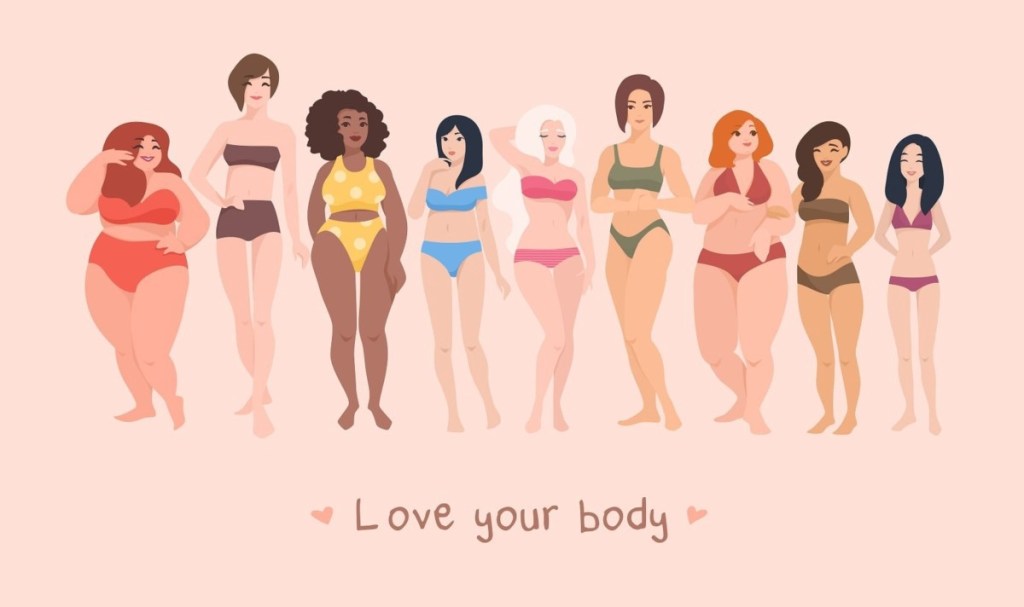
Another way that social media can negatively affect users is through influencers. While being an influencer is not bad at all, it can affect the users who follow the influencers. If a “perfect” and skinny, fit girl is posting pictures in her new clothes, someone who doesn’t think they are as beautiful or skinny can make them feel awful about their bodies and lives. Body positivity is something that goes unnoticed about and thankful is starting to become an issue that is being recognized on social media. I know that I have been on Instagram before, scrolling through my feed as I come across an influencer who looks amazing and I wished I looked like her. I remember thinking how can I get my body to look like that, but in reality every single body is different and cannot be compared. If we take the time to acknowledge this problem and support body positivity online, we can help stop this problem.
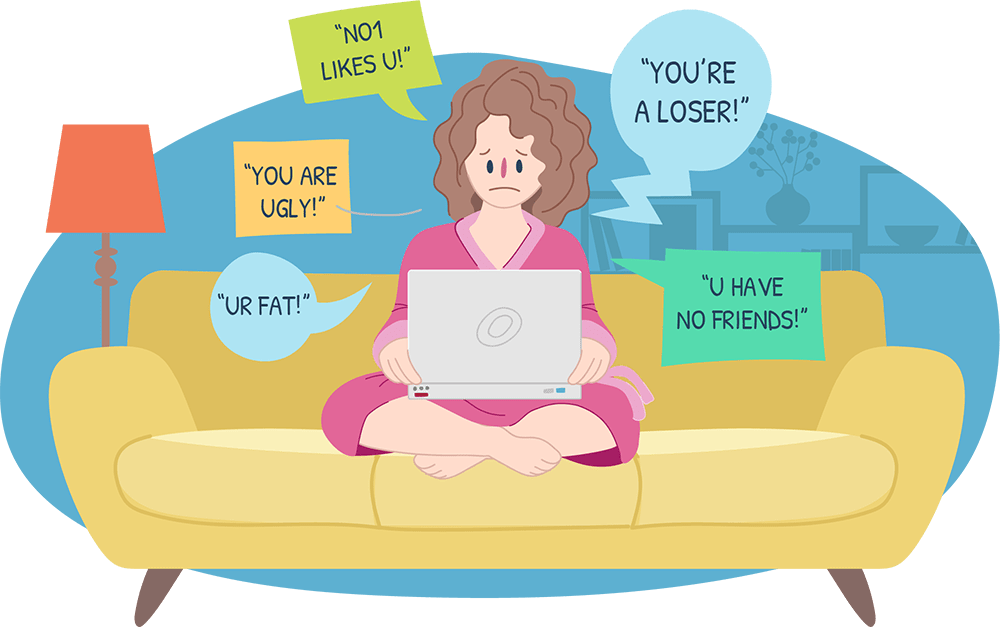
Now, Cyberbullying is probably one of the biggest causes of negative mental health online. I was a victim to it for many years growing up and it caused me to have depression and anxiety. When I was in elementary school people said my nose looked like a pigs and they would make fun of me for it. The teasing followed me to middle school. While I knew that after school the teasing would stop because we didn’t have social media then, in middle school that completely changed. We all had phones and social media profiles where people would anonymously make fun of me online and post about my nose constantly. I was cyberbullied for many years, even by my closest friends. It is easy to get caught up in what other people are doing online and not think about how your actions affect others, but they do. In Michel Foucault’s, “Panopticism from Discipline & Punish: The Birth of the Prison” he says that “this enclosed, segmented space, observed at every point, in which the individuals are inserted in a fixed place, in which the slightest movements are supervised, in which all events are recorded” (Foucault, 3). Social media can be exactly that – an enclosed space where you are being observed and observing others at all times. That is the problem with social media, there isn’t a place to hide if you are being targeted by trolls or cyberbullies online. We must educate others on how negative social media can be as well as how positive it can be.
After learning about social media and what it really does for our society, I know how to behave online and how to educate others on their usage, profiles, and posts. If we stand for the right behaviors online and help others be positive online than we can make a change. There is nothing wrong with using social media, but it can easily become wrong in many different ways so being aware of how much time you are spending online and how you interact with others is extremely important. I believe that we are headed to a bright place if we all come together to promote the proper interactions and remember that we are all human and we all go through things that you can’t see on our social media platform profile.

Work Cited
Foucault, Michel. Panopticism from Discipline & Punish: The Birth of the Prison. Indiana University Press, 2008.
Humphreys, Ashlee. Social Media: Enduring Principles. Oxford University Press, 2016.
Jackson, Lauren Michele. “We Need to Talk About Digital Blackface in Reaction GIFs.” Teen Vogue, 2 Aug. 2017, http://www.teenvogue.com/story/digital-blackface-reaction-gifs.
Seabrook, John. “Dressing for the Surveillance Age.” The New Yorker, 9 Mar. 2020, http://www.newyorker.com/magazine/2020/03/16/dressing-for-the-surveillance-age.
 Cinema Media Studies